

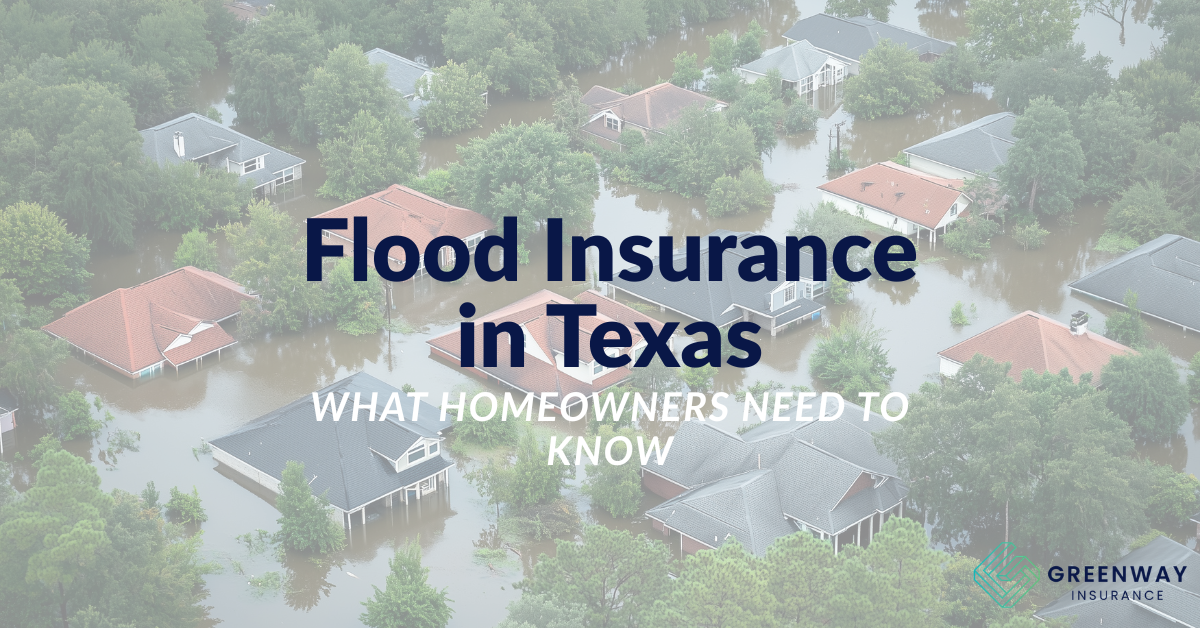
When most people think about flood insurance, they picture homes located near the coast or along major waterways. The reality is that flooding can happen almost anywhere in Texas, and many homeowners are surprised to learn that their standard homeowners insurance policy does not cover flood damage.
Whether you’re purchasing a new home, reviewing your current coverage, or preparing for storm season, understanding how flood insurance works can help you make informed decisions and avoid costly surprises.
Does Homeowners Insurance Cover Flooding?
One of the most common misconceptions about insurance is that homeowners insurance covers all types of water damage. While homeowners policies typically cover sudden and accidental water damage from sources like burst pipes, they do not cover flooding caused by rising water from outside the home.
This means that heavy rainfall, overflowing creeks, storm surge, and flash floods generally require a separate flood insurance policy.
Who Needs Flood Insurance?
Many homeowners assume flood insurance is only necessary if their mortgage company requires it. However, flooding can occur in areas that are not considered high-risk flood zones.
In fact, a significant percentage of flood claims come from properties located outside of designated high-risk flood areas. Urban development, drainage issues, and severe weather events can all contribute to flooding regardless of proximity to a coastline or river.
If you live in Texas, it’s worth evaluating your property’s flood risk even if flood insurance is not required by your lender.
How Flood Insurance Works
Flood insurance is commonly available through the National Flood Insurance Program (NFIP), as well as through private insurance carriers.
Policies generally offer coverage for:
Building Coverage
- Foundation
- Electrical and plumbing systems
- HVAC systems
- Water heaters
- Built-in appliances
- Flooring and permanently installed carpeting
Contents Coverage
- Furniture
- Clothing
- Electronics
- Personal belongings
Contents coverage is often optional and may need to be selected separately.
What Determines Flood Insurance Rates?
Flood insurance premiums are based on several factors, including:
- Flood zone designation
- Elevation of the home
- Foundation type
- Age and construction of the property
- Coverage limits selected
- Claims history
Every property is unique, which is why rates can vary significantly from one home to another.
Why Planning Ahead Matters
Many flood insurance policies include a waiting period before coverage becomes effective. This means homeowners generally cannot wait until a tropical storm or hurricane is approaching to purchase coverage.
The best time to review flood insurance options is before storm season begins.
How Greenway Insurance Can Help
At Greenway Insurance, we help homeowners navigate the flood insurance process by reviewing property-specific risks, comparing available options, and identifying coverage that fits both their needs and budget.
As an independent insurance agency, we work with multiple carriers and can help determine whether an NFIP policy or private flood insurance solution may be the best fit.
If you’d like to learn more about your flood risk or receive a flood insurance quote, contact Greenway Insurance today. Our team is here to help you protect your home, your belongings, and your peace of mind.